 Pin It
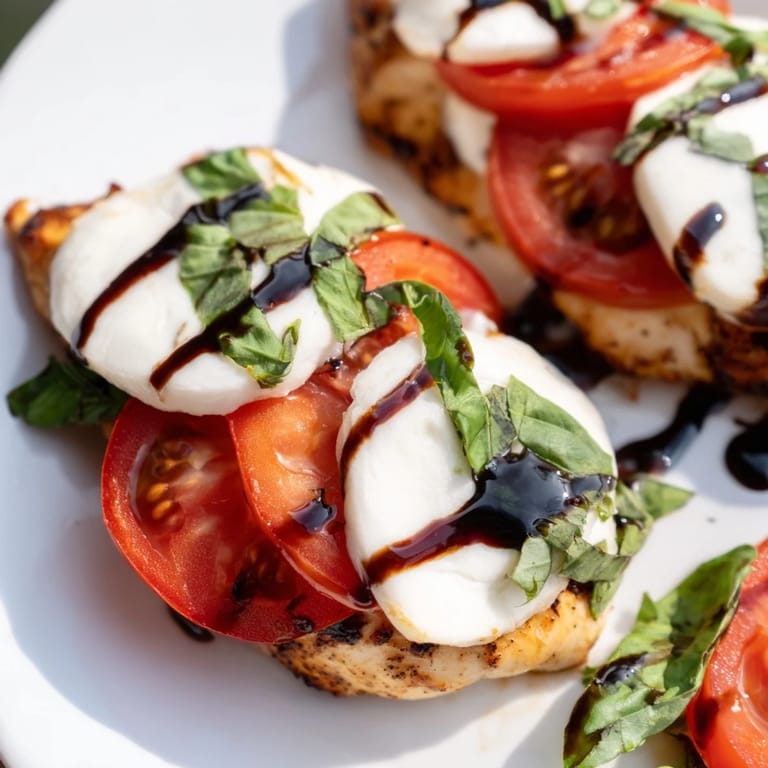
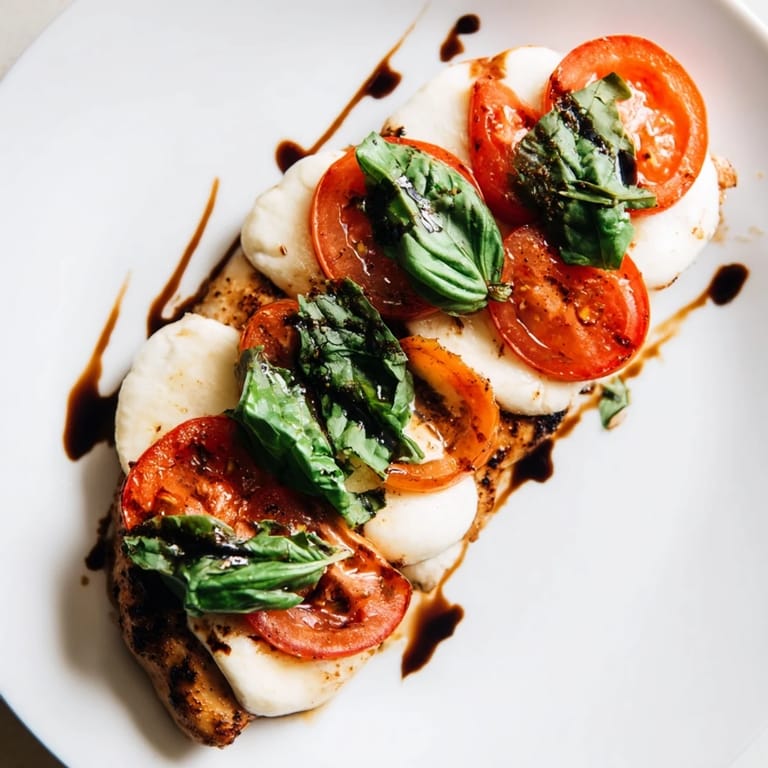
 The smell of balsamic reducing on the stove always takes me straight back to that tiny apartment kitchen where counter space was a luxury and one-pan meals were survival. I was trying to impress nobody in particular, just craving something that tasted like effort without the mess. When I pulled that skillet off the heat and saw the mozzarella pooling into the tomatoes, basil wilting just enough to release its perfume, I realized I'd stumbled onto something I'd make a hundred times over. This Caprese Chicken Skillet became my weeknight rescue, my dinner party ace, my proof that Italian flavors don't need complexity to feel indulgent.
I once made this for a friend who claimed she didn't like chicken breast because it was always dry and boring. She watched me sear it hard, let it rest, then smother it under melting cheese and tomatoes. When she took her first bite and went quiet, I knew I'd won. She texted me two days later asking for the recipe, then admitted she'd already made it twice. That's the thing about this dish—it converts skeptics and becomes the meal people ask you to make again.
Ingredients
- Boneless, skinless chicken breasts: The star protein here, and the key is not to overcook them—pull them off heat the moment they hit 74°C internally so they stay juicy.
- Kosher salt and black pepper: Simple seasoning is all you need when the toppings are this flavorful, but don't skimp or the chicken will taste flat.
- Olive oil: Use a good quality one since it's the only fat hitting the pan first, and it helps build that golden crust.
- Ripe tomatoes: Go for the ripest, reddest tomatoes you can find—their juices mingle with the melted cheese and create a sauce all on their own.
- Fresh mozzarella: The creamy, milky kind that comes packed in water, not the low-moisture stuff—it melts into soft, luscious pools.
- Fresh basil leaves: Torn, not chopped, because bruising basil with a knife makes it taste bitter and look sad.
- Balsamic vinegar: Cheap balsamic works here because you're reducing it with honey, which balances any sharpness.
- Honey: Just enough to turn the vinegar into a glossy, drizzle-worthy glaze without making it cloying.
Tired of Takeout? 🥡
Get 10 meals you can make faster than delivery arrives. Seriously.
One email. No spam. Unsubscribe anytime.
Instructions
- Season the chicken:
- Pat the chicken breasts dry with a paper towel, then sprinkle both sides generously with salt and pepper. Dry chicken sears better and seasoning now means flavor all the way through.
- Sear until golden:
- Heat the olive oil in a large skillet over medium-high heat until it shimmers, then lay the chicken in without crowding. Let it sear undisturbed for 5 to 6 minutes per side until you get a deep golden crust and the internal temperature hits 74°C.
- Rest and prep toppings:
- Remove the chicken from the skillet and set it aside on a plate. While it rests, slice your tomatoes and mozzarella so everything's ready to go.
- Layer and melt:
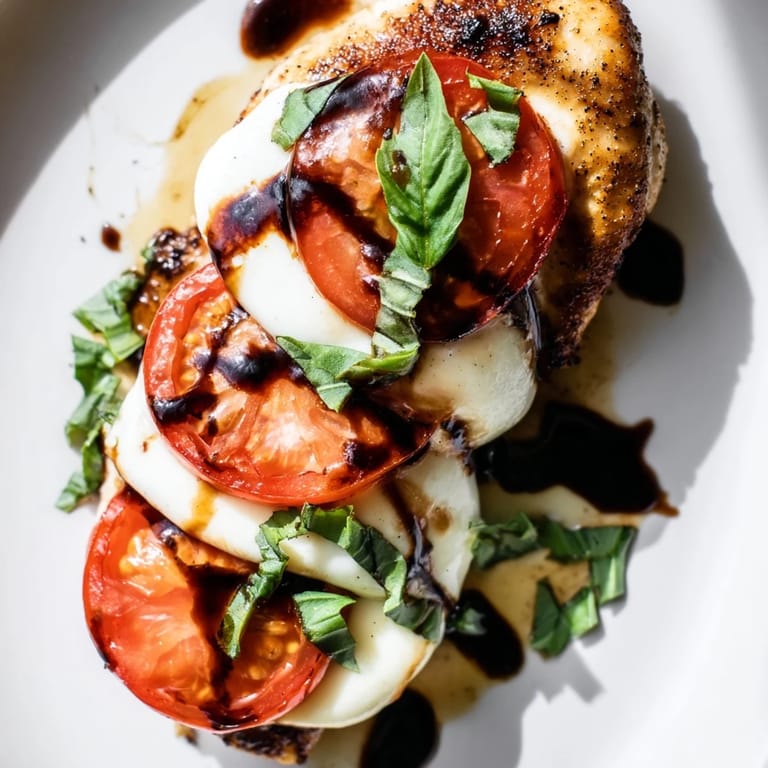
- Return the chicken to the skillet and reduce the heat to medium. Arrange tomato slices on top of each breast, then lay mozzarella over the tomatoes, cover with a lid, and let it steam for 2 to 3 minutes until the cheese melts into the tomatoes.
- Make the glaze:
- While the cheese melts, combine balsamic vinegar and honey in a small saucepan over medium heat. Let it simmer and reduce for 5 to 7 minutes, stirring occasionally, until it coats the back of a spoon and looks syrupy.
- Finish and serve:
- Tear the basil leaves over the chicken, drizzle the warm balsamic glaze across everything, and serve straight from the skillet. The basil will wilt slightly from the heat and release its aroma right at the table.
 Pin It
 There was a summer evening when I made this outside on a portable burner, tomatoes still warm from the garden, basil snipped minutes before. We ate it with crusty bread and cold white wine, and nobody said much because the food did all the talking. It's one of those meals that tastes like the season it came from, and I think that's why it stuck. Every time I make it now, I'm chasing that same feeling—simple, satisfying, and just a little bit magic.
Choosing Your Chicken
Not all chicken breasts are created equal, and I learned this the hard way after a few rubbery dinners. Look for breasts that are similar in size so they cook evenly, and if one is significantly thicker, pound it gently with a meat mallet until it's uniform. I've also started buying smaller breasts when I can find them because they're naturally more tender and less prone to drying out. If you only have massive ones, consider slicing them in half horizontally to create thinner cutlets that cook faster and stay juicy.
Making It Your Own
This recipe is wonderfully flexible once you understand the basic structure. I've swapped in cherry tomatoes when that's what I had, halving them and letting their sweetness concentrate as they cook. Sometimes I add a pinch of red pepper flakes to the glaze for a subtle kick, or I rub the chicken with Italian seasoning before searing if I want a more herby, aromatic crust. A friend of mine uses burrata instead of mozzarella and spoons it on after cooking so it stays creamy and cool against the warm chicken. The formula works because the components—seared protein, fresh vegetables, melty cheese, acidic drizzle—are inherently balanced.
Serving Suggestions and Sides
This skillet is rich enough to stand on its own, but I usually serve it with something to soak up the juices and glaze pooling at the bottom. A hunk of crusty sourdough is my go-to, torn and dragged through the tomato-mozzarella puddle like it's sauce. For a lighter option, a simple arugula salad with lemon and olive oil cuts through the richness perfectly. If you're keeping it low-carb, zucchini noodles or roasted vegetables work beautifully, and I've even served it over cauliflower rice when I wanted something more substantial without the heaviness.
- Crusty bread or garlic bread for mopping up every last bit of glaze.
- A crisp green salad with a sharp vinaigrette to balance the creamy cheese.
- Zucchini noodles, roasted asparagus, or sautéed spinach for a low-carb pairing.
 Pin It
 This is the kind of recipe that makes you feel capable in the kitchen, even on nights when you're tired and tempted to order takeout. It's proof that a few quality ingredients and one hot skillet can turn into something you're genuinely proud to serve.
Recipe Questions & Answers
- → Can I use boneless chicken thighs instead of breasts?
Yes, boneless chicken thighs work wonderfully and stay incredibly juicy. Increase cooking time by 2-3 minutes per side since thighs are thicker than breasts.
- → How do I know when the chicken is fully cooked?
Use a meat thermometer to check that the internal temperature reaches 165°F (74°C) at the thickest part. The chicken should also be golden brown and no longer pink inside.
- → What if I don't have fresh mozzarella?
Fresh mozzarella is ideal for its mild flavor and melting texture, but you can substitute with low-moisture mozzarella or even provolone. Adjust cooking time slightly as different cheeses melt at different rates.
- → Can I make the balsamic glaze ahead of time?
Absolutely. Prepare the glaze up to 24 hours in advance and store it in an airtight container in the refrigerator. Reheat gently before serving or drizzle at room temperature.
- → Is this dish truly gluten-free?
Yes, as written it's naturally gluten-free. However, verify that your mozzarella brand doesn't contain gluten additives, and double-check balsamic vinegar labels if you have celiac sensitivity.
- → What are the best side dishes to serve with this?
Crusty garlic bread, fresh green salad, roasted vegetables, zucchini noodles, or cauliflower rice all pair beautifully. The fresh basil and balsamic flavors complement most Italian-style sides.