 Pin It
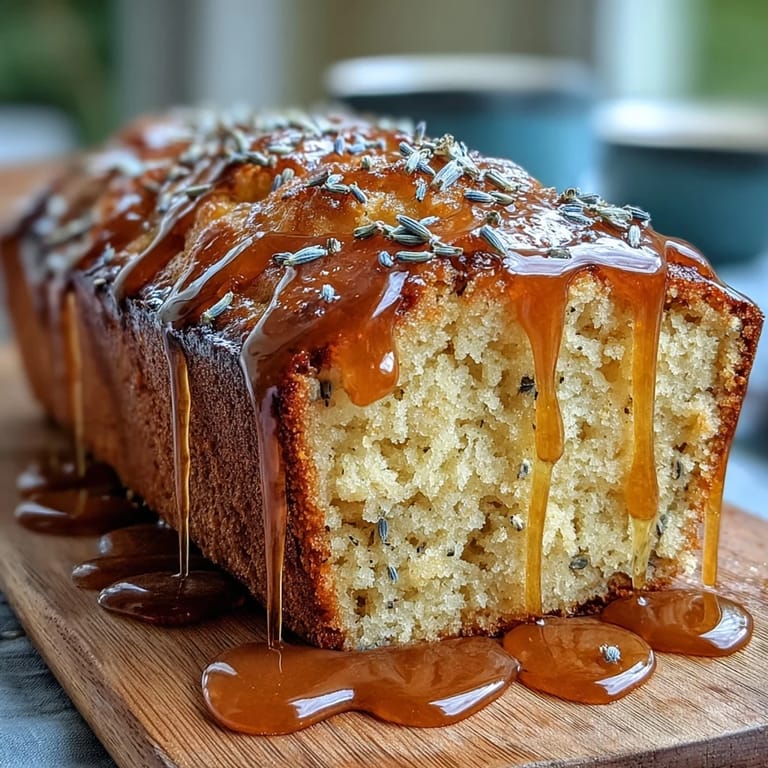
 Sometimes, the urge to bake strikes on a sun-drenched afternoon when the kitchen windows are open and the breeze carries hints of something sweet just waiting to be created. The first time I made this Lemon Lavender Loaf Cake, the entire house filled with the scent of citrus and wildflowers and it felt like bottling up spring itself. There was a sense of curiosity in balancing the floral lavender with the bright acidity of lemon, a pairing I hadn't explored much before. Swirling powdered sugar and honey for the glaze, my spoon clinked against porcelain, and I remember thinking, isn't it remarkable what a little imagination (and bold pantry choices) can do? Each slice ended up tasting like a memory you haven't made yet.
I baked this loaf on a rainy Saturday, when friends came by unannounced waving a bouquet of daffodils and hoping for something warm. We ended up laughing over mugs of Earl Grey and thick slices of cake on mismatched plates, lavender buds clinging to our fingers. A forgotten umbrella sat drying by the door while we swapped stories—none of us really noticing how quickly the cake disappeared.
Ingredients
- All-purpose flour: Sift before using to keep the crumb light and ensures the loaf isn’t dense.
- Baking powder & baking soda: They support the rise and provide a tender bakery texture—fresh leavening is gold here.
- Salt: Just a pinch wakes up all the flavors, so don’t skip it even if it feels small.
- Culinary dried lavender buds: Use only food-grade lavender—crush lightly for even flavor distribution, and a little goes a long way.
- Lemon zest: Zest right over your mixing bowl to catch those fragrant oils—this intensifies the citrus punch.
- Unsalted butter: Room temperature is key for creaming with sugar and helps the loaf stay soft, not greasy.
- Granulated sugar: Besides sweetness, it supports structure and helps with browning—more flavor in every slice.
- Large eggs: Let them sit out to reach room temperature for the fluffiest batter; cold eggs won’t emulsify as well.
- Greek yogurt or sour cream: Either works, adding tang and richness—full-fat makes the loaf especially moist.
- Whole milk: Makes the batter silky; try infusing with lavender for extra depth.
- Fresh lemon juice: Brightens the whole cake—strain to avoid unwanted seeds, squeeze just before using.
- Pure vanilla extract: Rounds out the floral notes—don’t be tempted to skip it.
- Powdered sugar: Sift to avoid lumps in the glaze, which should be shiny and pourable.
- Honey: Pick a mild variety; stronger honeys may overpower the loaf.
Tired of Takeout? 🥡
Get 10 meals you can make faster than delivery arrives. Seriously.
One email. No spam. Unsubscribe anytime.
Instructions
- Prep your pan:
- Grease and line a standard loaf pan with parchment, letting the paper hang over the sides for an easy release.
- Blend dry ingredients:
- In a medium bowl whisk together flour, baking powder, baking soda, salt, lavender, and lemon zest until everything looks speckled and fragrant.
- Cream butter and sugar:
- In a large bowl, beat the butter and sugar until it turns pale and fluffy—about 3 minutes, and you’ll hear it change as air works in.
- Add eggs:
- Crack in the eggs one at a time, beating after each until the mixture looks glossy and smooth—don’t rush this step.
- Stir in liquid ingredients:
- Add yogurt, milk, lemon juice, and vanilla, mixing until just combined; the batter may look a touch curdled and that’s perfectly normal.
- Combine wet and dry:
- Fold in the dry ingredients gently—stop mixing as soon as you no longer see flour, otherwise your loaf can turn tough.
- Bake:
- Pour the batter into the prepared loaf pan, smoothing the top with a spatula, and bake at 350F (175C) for 45 to 50 minutes until a toothpick comes out clean with just a few crumbs.
- Cool it down:
- Let the cake rest in its pan for 10 minutes, then lift onto a wire rack—wait until completely cool before glazing, no matter how tempting.
- Mix the glaze:
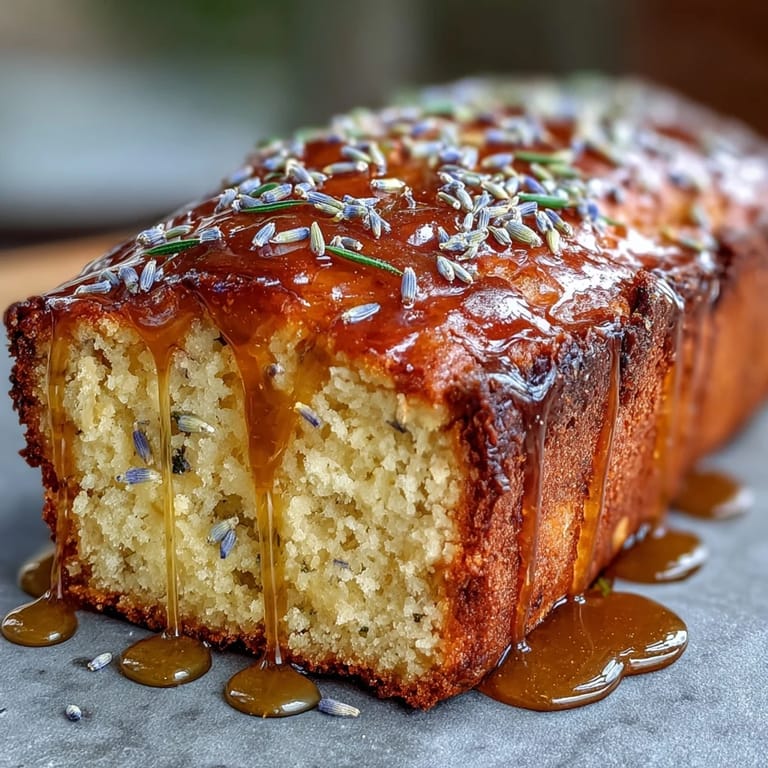
- In a small bowl, whisk sifted powdered sugar, honey, and lemon juice until glossy and drizzle-able; add more lemon juice for a thinner swoosh or keep it thick for dramatic drips.
- Glaze and serve:
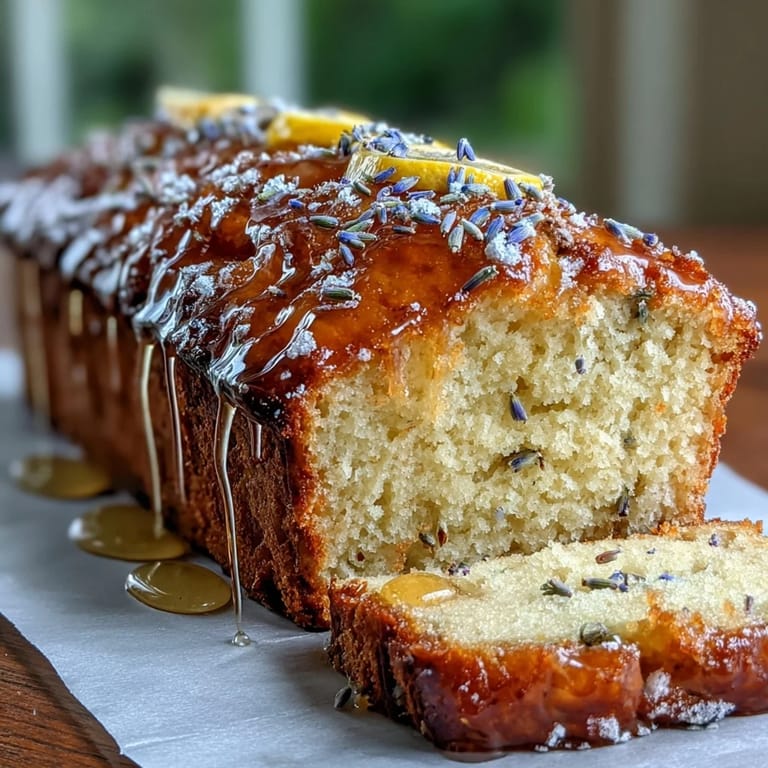
- Pour glaze over the cooled loaf, letting it cascade down the sides, and sprinkle with extra zest or lavender if you’re feeling fancy.
 Pin It
 One spring, a friend surprised me with a jar of local honey just as I finished whisking the glaze. Drizzling it over the cake with a flourish, I realized this loaf was now the centerpiece of our little kitchen ritual—something about thoughtfully chosen ingredients makes simple cake feel worth celebrating.
Choosing and Using Lavender
The floral note in this cake should feel like a gentle presence, never soapy or perfumey. Culinary lavender is key—avoid what’s sold for sachets or crafts, and taste a small pinch before using if you’re unsure. Rubbing the dried buds lightly between your fingertips helps coax out the best aroma. If you’re feeling extra cautious, start with a little and work upward the next time you bake.
Perfecting the Glaze Consistency
Getting the honey glaze just right takes more patience than you’d expect. Too thick and it won’t flow; too thin and it’ll disappear into the loaf. I always recommend adding lemon juice little by little—stir, drip-test, and adjust along the way. A spoonful held high should leave a satiny ribbon on the surface before sinking in.
Serving and Storing Tips
This loaf actually tastes even better a day after baking, when the flavors mellow together. Store it tightly wrapped at room temperature, and if you’re serving leftovers, a short toast in the oven freshens every crumb. The glaze will set up beautifully and keep the top shiny and soft.
- If using as a dessert, garnish plates with fresh berries for a pretty finish.
- Try substituting orange zest for a warmer twist.
- The loaf freezes beautifully—just wait to glaze until thawed.
 Pin It
 Bake this loaf with a spirit of play—it rewards small tweaks and personal touches, and slices up the kind of sunshine you can share. Let your kitchen smell like spring, and enjoy each bite for its bright and gentle charm.
Recipe Questions & Answers
- → Can I use fresh lavender instead of dried?
Fresh lavender can be used but is more delicate; use slightly more by volume and remove stems. Taste first, as fresh blooms vary in intensity and can introduce herbaceous moisture.
- → How do I avoid a bitter lavender flavor?
Use culinary-grade lavender and measure carefully. Remove stems and avoid oversteeping; if infusing milk, keep the steep brief and strain well to prevent bitterness.
- → What's the best way to get a moist crumb?
Cream butter and sugar until light, fold dry ingredients gently to avoid overmixing, and include yogurt or sour cream for added moisture and tenderness.
- → How do I adjust the glaze consistency?
Start with 1½ tablespoons honey and 2 tablespoons lemon juice, then add more juice a teaspoon at a time to thin. For a thicker finish, use less lemon juice or chill briefly.
- → Can I substitute orange for lemon?
Yes—orange zest and a splash of orange juice create a sweeter, milder citrus profile that pairs nicely with lavender; reduce sugar slightly if using very sweet oranges.
- → How should I store or freeze slices?
Store cooled loaf covered at room temperature for 2 days or refrigerated up to 5 days. Wrap slices tightly and freeze up to 2 months; thaw overnight in the fridge before glazing or serving.