 Pin It
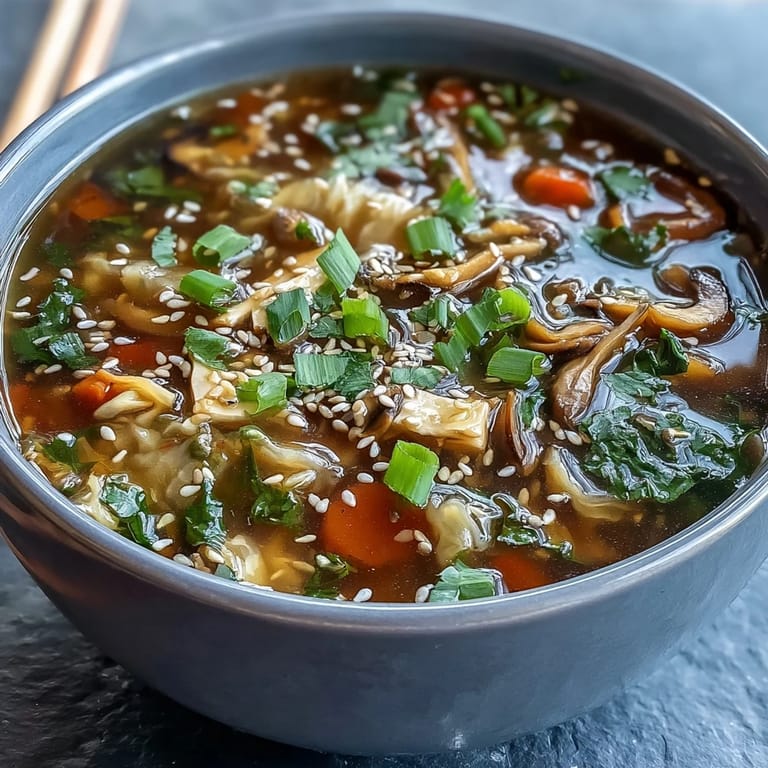
 There was a morning when the kitchen felt too quiet, the kind where you need warmth that goes deeper than tea. I'd been fighting off that creeping winter chill for days, and something told me to reach for ginger and miso instead of reaching for the heating knob. That first sip changed everything—the broth was alive with ginger's bite and miso's quiet comfort, and suddenly the kitchen didn't feel empty anymore.
I made this for a friend who'd just gotten over being sick, and watching her face soften as she tasted it was worth more than any compliment. She ate it slowly, deliberately, like each spoonful was doing exactly what her body needed. That's when I realized this soup wasn't just food—it was permission to slow down.
Ingredients
- Water or low-sodium vegetable broth (6 cups): Use broth if you want instant depth, but water lets the ginger and miso take center stage without competing flavors.
- Fresh ginger (2-inch piece, thinly sliced): Don't peel it—the skin holds oils that warm you from the inside, and thin slices infuse faster and taste less fibrous.
- Garlic cloves (2, thinly sliced): These mellow during simmering and become almost sweet, adding backbone without sharpness.
- White or yellow miso paste (2 tablespoons): This is your umami anchor and probiotic boost, so add it last and never let it boil or you'll kill everything good about it.
- Napa cabbage (1 cup, thinly sliced): It softens into silky ribbons and absorbs flavor beautifully without falling apart.
- Carrot (1 medium, julienned): The slight sweetness balances the ginger's intensity and adds a gentle crunch if you don't overcook it.
- Shiitake mushrooms (1 cup, stemmed and sliced): These bring earthiness and their own umami that plays perfectly with miso—use the stems for stock another day.
- Scallions (2, sliced): Save these for garnish so they stay bright and slightly sharp against the mellow broth.
- Toasted sesame seeds (1 tablespoon): Toast them yourself if you can—the difference between toasted and raw is the difference between a good soup and one you'll crave.
- Fresh cilantro or parsley (1 tablespoon, chopped, optional): Cilantro brings a citrusy lift; parsley is gentler and lets the miso shine.
- Chili oil or chili flakes (1 teaspoon, optional): A whisper of heat makes the ginger sing and adds complexity.
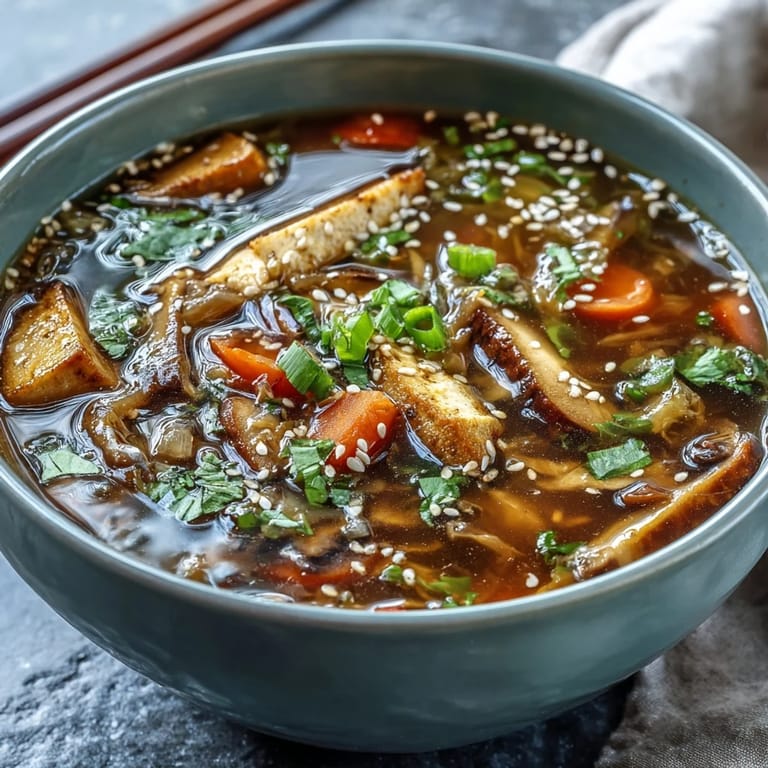
- Silken tofu (200 g, cubed, optional): It's delicate and absorbs flavor without changing the soup's silky texture.
- Soba or rice noodles (100 g, cooked, optional): Cook these separately so you control how soft they get, and add them right before serving so they don't absorb all the broth.
Tired of Takeout? 🥡
Get 10 meals you can make faster than delivery arrives. Seriously.
One email. No spam. Unsubscribe anytime.
Instructions
- Start the infusion:
- Bring water or broth to a gentle simmer in a large pot—you'll hear a soft whisper rather than an aggressive boil. Add the ginger slices and garlic, then let them steep for 10 minutes while the kitchen fills with that warm, almost medicinal aroma that makes you breathe deeper.
- Build the body:
- Slip in the napa cabbage, carrot, and shiitake mushrooms, then simmer for 5 to 7 minutes until the vegetables soften but the carrot still has a whisper of resistance when you bite it. Watch how the broth takes on a deeper golden tone as the mushrooms release their flavor.
- The miso moment (this matters):
- Pull the pot off heat completely—this is crucial. Scoop miso paste into a small bowl, ladle in some hot broth, and whisk until it's completely smooth with no lumps, then stir it back into the pot gently. Boiling miso kills the living cultures, so treat this step with care.
- Final warmth:
- If you're using tofu and noodles, add them now and let everything warm through for about 2 minutes—just enough so the tofu is heated through but doesn't start to break apart. The noodles will continue softening even after you ladle, so don't let them cook in the pot too long.
- Finish and serve:
- Ladle soup into bowls and scatter scallions, sesame seeds, and any herbs across the top—the color contrast makes it feel special. A drizzle of chili oil brings heat and richness that transforms it from restorative to unforgettable.
 Pin It
 There's something about a bowl of this soup that makes you want to wrap both hands around it, sit by a window, and just exist for a moment. It's the kind of dish that reminds you why we cook in the first place.
The Ginger Question
Some people shy away from ginger because they've had it too sharp or too overwhelming, but this soup proves that ginger can be whisper-soft if you slice it thin and let it simmer long enough. I learned this by accident when I sliced too thick once and ended up with something that tasted like medicine—now I go thin and patient, and the warmth becomes almost creamy rather than aggressive. You're not fighting the ginger; you're getting to know it.
Miso Paste Wisdom
The miso paste is where this soup gets its soul, and it's worth taking a moment to understand what you're adding. White and yellow miso are milder and slightly sweet, perfect for soups where you want umami without funk—red or darker miso would overpower the delicate vegetables and make it feel heavy. Store-bought miso keeps forever in the fridge, and a tiny jar goes incredibly far because you're only using two tablespoons at a time.
Variations and Flexibility
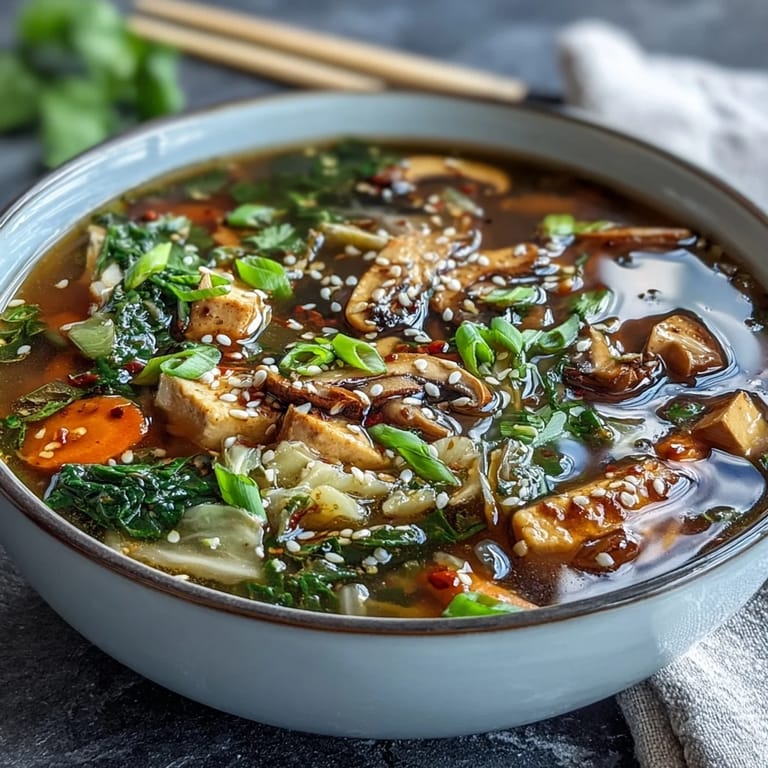
This soup is a canvas, and I've made it a hundred different ways depending on what's in the crisper drawer and what my body is asking for. Some days I add bok choy or spinach for more greens, other times I swap the shiitake for enoki mushrooms when I want something more delicate. The bones of the recipe—ginger, garlic, miso—stay the same, but everything else bends to what you have and what you're craving.
- Stir in a splash of soy sauce or tamari for deeper savor if your miso tastes too subtle.
- Keep cooked noodles and tofu on the side so each person can build their own bowl based on how hungry they are.
- A squeeze of lime juice at the very end brightens everything and adds a note of surprise.
 Pin It
 This soup has become my answer to almost everything—a rough day, a scratchy throat, the moment when winter feels too long, or simply the need to taste something that reminds you that warmth is always possible. Keep a container of miso in your kitchen and you'll never feel unprepared for a moment like that.
Recipe Questions & Answers
- → Can I make this soup ahead of time?
Yes, prepare the broth and vegetables in advance. Add the miso just before serving to preserve probiotics and fresh flavor. Reheat gently without boiling.
- → What's the best way to incorporate miso without losing nutrients?
Always remove the pot from heat before adding miso. Whisk it with a small amount of hot broth first to dissolve, then stir into the soup. Boiling destroys beneficial probiotics.
- → Can I use red miso instead of white?
White miso provides a milder, sweeter flavor perfect for this delicate broth. Red miso is stronger and more intense—you can use it, but reduce the amount to avoid overpowering the ginger.
- → Is this soup gluten-free?
The base is naturally gluten-free, but check your miso label as some brands contain barley or wheat. If adding noodles, choose rice noodles or certified gluten-free soba.
- → What other vegetables work well in this broth?
Bok choy, spinach, daikon radish, or baby kale are excellent additions. Add delicate greens like spinach in the last minute of cooking just until wilted.